
For any travel blog, a feature on the ancient region of Gandhara isn’t just a destination guide, it is a journey into the birthplace of Greco-Buddhist art, where the aesthetics of classical Greece met the spirituality of ancient South Asia.
Centred around the modern-day Peshawar Valley, Potohar plateau, and the Kabul River basin, Gandhara was once a bustling crossroads of the ancient Silk Road. Today, its ruins offer travelers a surreal look at grand monasteries, colossal stone-carved Buddhas, and centuries of multicultural heritage.
Here is a complete guide to crafting the perfect Gandhara itinerary for your readers.
Gandhara: A Journey Through Time
The Ultimate Gandhara Trail
To capture the true essence of Gandhara, a travel blog should focus on the "golden triangle" of its archaeological heritage: Taxila, Takht-i-Bahi, and the Swat Valley.
Best Time to Visit: March to April and Mid September to November
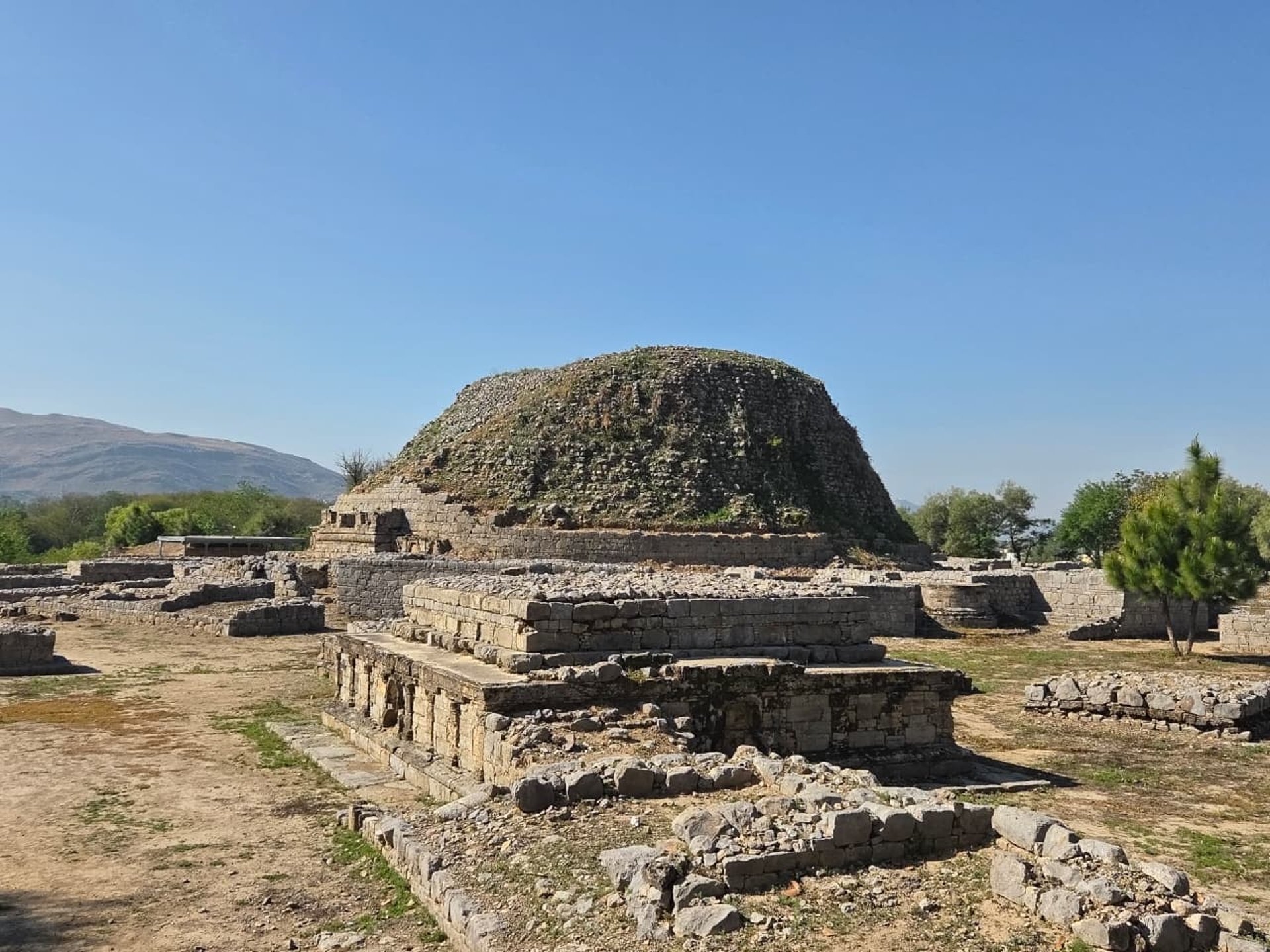
Located just an hour's drive from Islamabad, Taxila is a UNESCO World Heritage site and the crown jewel of Gandharan archaeology. It was once one of the world's earliest universities, attracting scholars from across the globe.
Taxila Museum: Houses an unparalleled collection of Gandharan stone sculptures, stucco reliefs, and ancient silver coins spanning from the Mauriyan to the Kushan empires.
Sirkap: A fascinating, grid-planned ancient city built by Greco-Bactrian kings in the 2nd century BCE. Walking its streets feels like walking through an ancient Greek outpost in the heart of Asia.
Jaulian & Dharmarajika Stupas: Serene, hilltop monastery ruins where travelers can still see remarkably preserved stucco Buddha figures in their original niches.
Taxila (The Cradle of Knowledge)
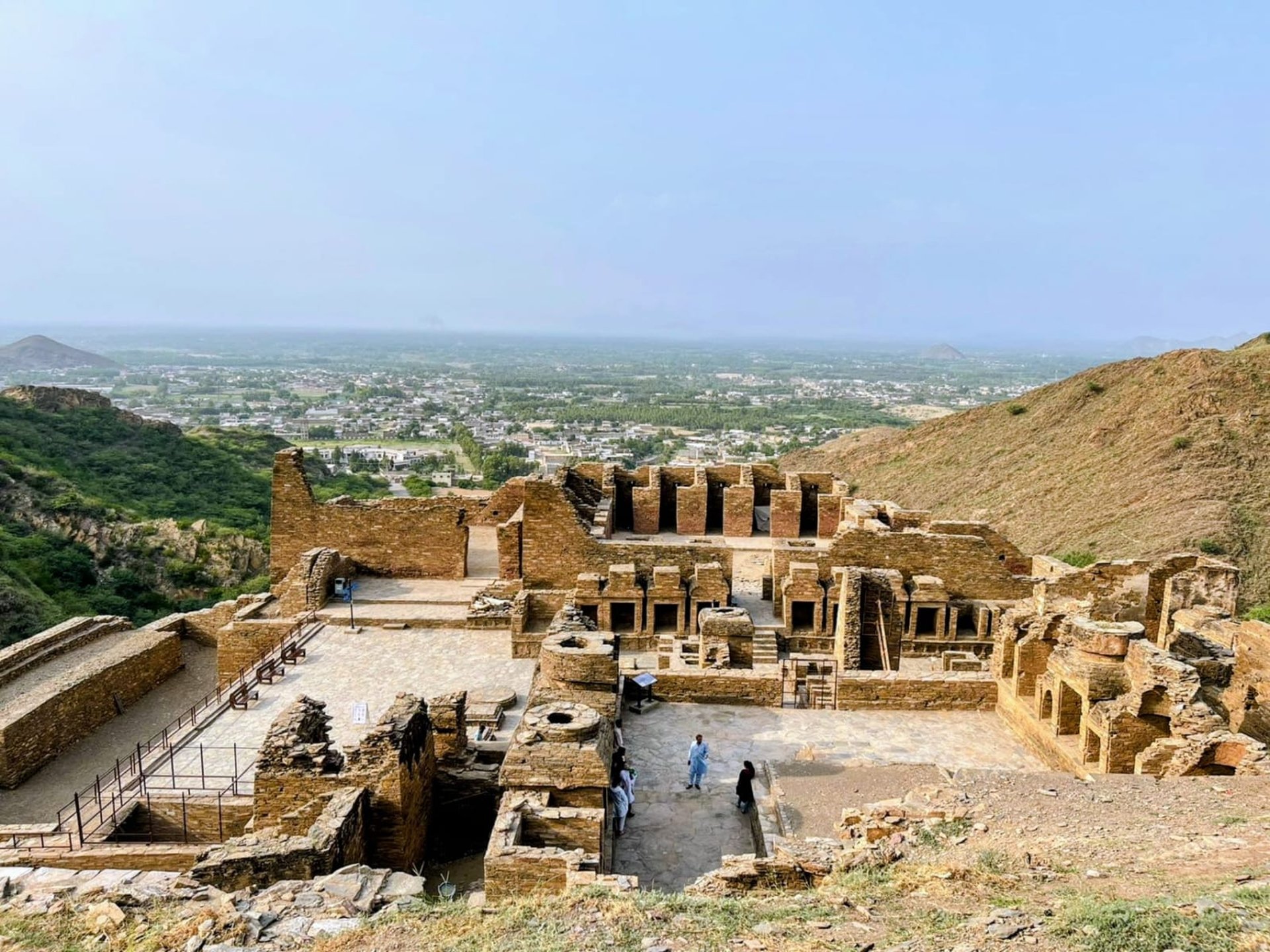
Perched dramatically on a crest near Mardan, this 1st-century BCE Buddhist monastery is arguably the most imposing and visually spectacular archaeological site in Pakistan.
The Experience: Visitors climb a series of stone steps to reach a massive complex featuring a main court of stupas, secluded meditation cells, and an assembly hall.
The Vibe: The panoramic views of the surrounding plains from the monastery ruins make it an absolute goldmine for travel photographers.
Takht-i-Bahi (The Throne of Origins)
Known in ancient times as Uddiyana, the Swat Valley was a major spiritual hub populated by hundreds of monasteries. Beyond its famous alpine beauty, it holds incredible historical weight.
Butkara Stupa: One of the oldest Buddhist shrines in the region, dating back to the 3rd century BCE and heavily patronized by the Mauryan Emperor Ashoka.
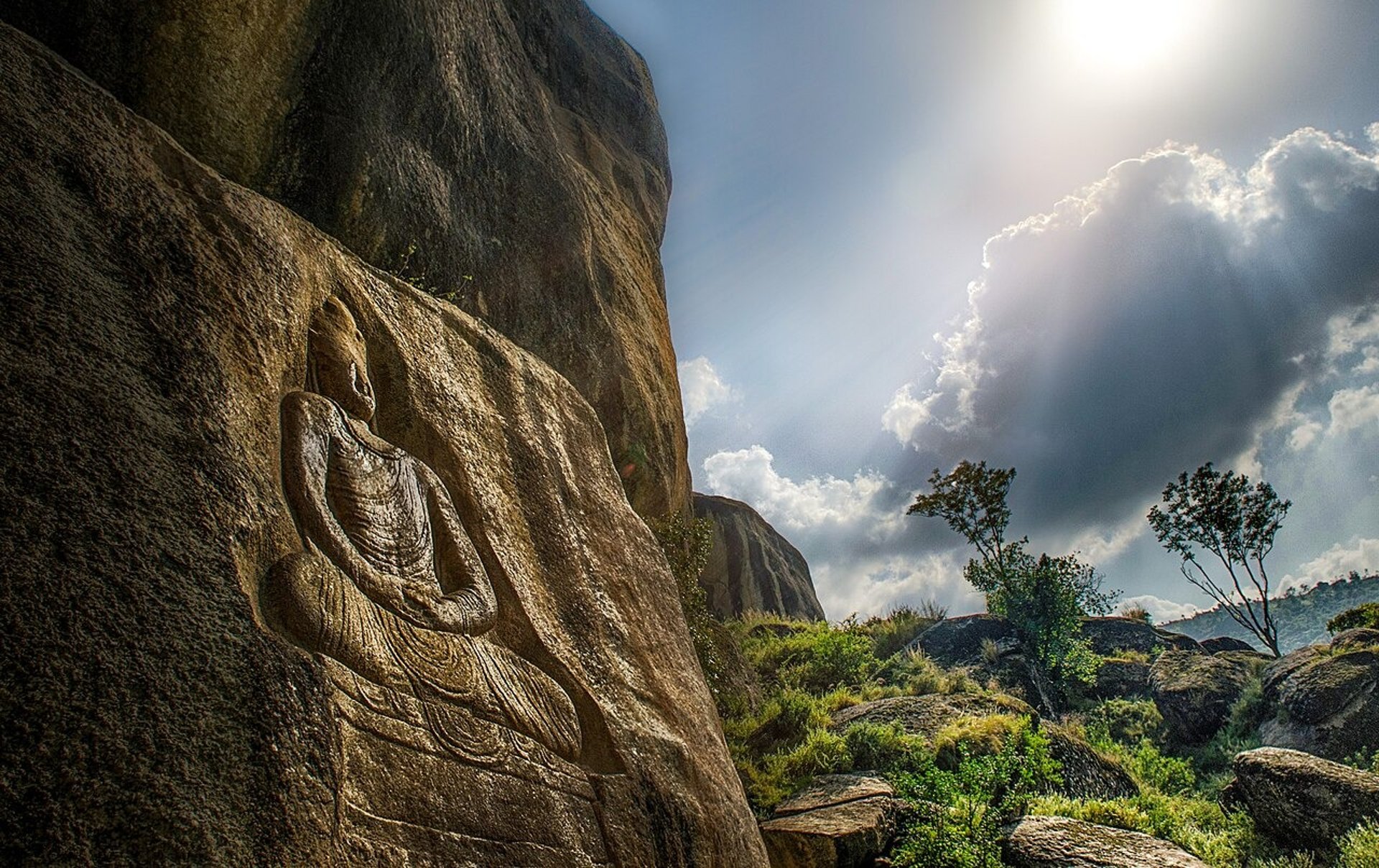
Jahanabad (Jehanabad) Buddha: A majestic, 7-meter-high Buddha carved directly into a massive cliff face. Despite facing past damage, it has been beautifully restored and stands as a symbol of resilience.
Swat Museum (Saidu Sharif): A brilliantly curated stop containing masterfully preserved Greco-Buddhist footprints, reliefs, and narrative friezes.