
Takht-i-Bahi: The Ultimate Guide to Pakistan’s Buddhist Wonder
Perched high on the verdant hills of Khyber Pakhtunkhwa lies Takht-i-Bahi (Throne of the Water Spring), one of the most remarkably preserved Buddhist monastic complexes in the world. Dating back to the 1st century BCE, this UNESCO World Heritage Site offers a breathtaking window into the ancient Gandhara civilization.
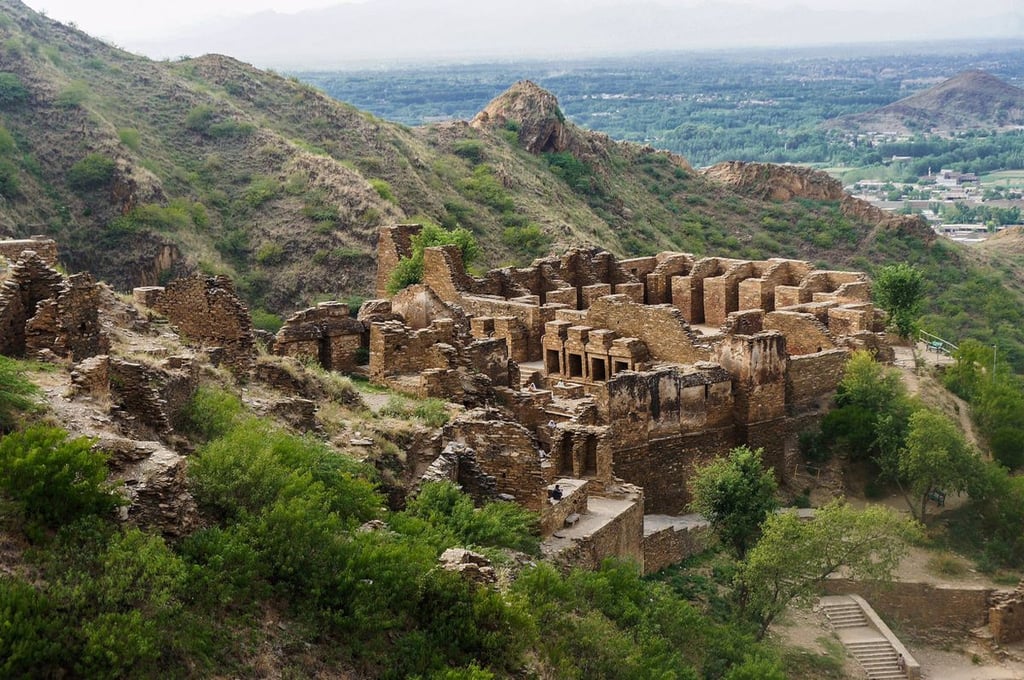
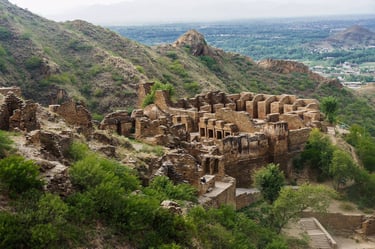
Perched high on the verdant hills of Khyber Pakhtunkhwa lies Takht-i-Bahi (Throne of the Water Spring), one of the most remarkably preserved Buddhist monastic complexes in the world. Dating back to the 1st century BCE, this UNESCO World Heritage Site offers a breathtaking window into the ancient Gandhara civilization. Whether you are a history buff, an architecture enthusiast, or a traveler looking for your next great view, Takht-i-Bahi is a must-visit.
Here is your ultimate guide to exploring this ancient marvel.
A Quick History Lesson
What You’ll See: Key Highlights
Takht-i-Bahi was founded during the Parthian era, thrived under the Kushan Empire, and miraculously escaped the destruction that befell other contemporary sites. Because of its secluded location atop a hill ridge, the complex remained hidden and protected from both invaders and the elements for centuries.
It served as a vibrant center for Buddhist learning, meditation, and community life until its eventual decline around the 7th century CE.
Takht-i-Bahi is located in the Mardan District of Khyber Pakhtunkhwa, Pakistan.
From Islamabad: It’s a smooth 2.5 to 3-hour drive via the M-1 Motorway and the Swat Expressway.
From Peshawar: It takes about 1.5 to 2 hours via the Nowshera-Mardan route.
Travel Tip: You can easily book a private car for a day trip from either city, if you are a solo traveler.
The ruins are incredibly well-structured, showcasing the brilliant engineering of the Gandharan architects. As you walk through the site, keep an eye out for these key areas:
The Court of Stupas: A cluster of small, intricately designed votive stupas surrounding a main central stupa.
The Monastic Cells: Tiny, austere rooms where monks lived, meditated, and studied. You can still feel the profound sense of isolation and focus they offered.
The Assembly Hall: A massive open space where the monastic community gathered for meetings and discussions.
The Tantric Complex: A fascinating, later addition to the site featuring dark, underground chambers used for esoteric meditation practices.
How to Get There
Tips for an Amazing Visit
Prep for a Climb: The ruins are on a hill. You’ll need to walk up a well-maintained but steep path with plenty of stairs. Wear comfortable, high-grip walking shoes.
Weather Wisely: The best time to visit is from October to March when the weather is pleasantly cool. If you go in the summer, aim for early morning to beat the scorching heat.
Hire a Local Guide: Hiring one is cheap and highly recommended, their stories bring the cold stones to life.
Hydrate and Snack: There are small vendors at the base, but options are limited at the top. Pack water and light snacks.