SOUTH PAKISTAN GUIDE
While the soaring peaks of the north command the attention of mountaineers, Southern Pakistan tells an entirely different, deeply mesmerizing story. This is a landscape shaped by the winding Indus River, vast coastal highways, deep spiritual traditions, and the remnants of humanity's earliest urban planners.
For travelers who want to trade alpine meadows for sweeping deserts, dramatic mud canyons, and thousands of years of layered history, here is an essential guide to the wonders of the South.
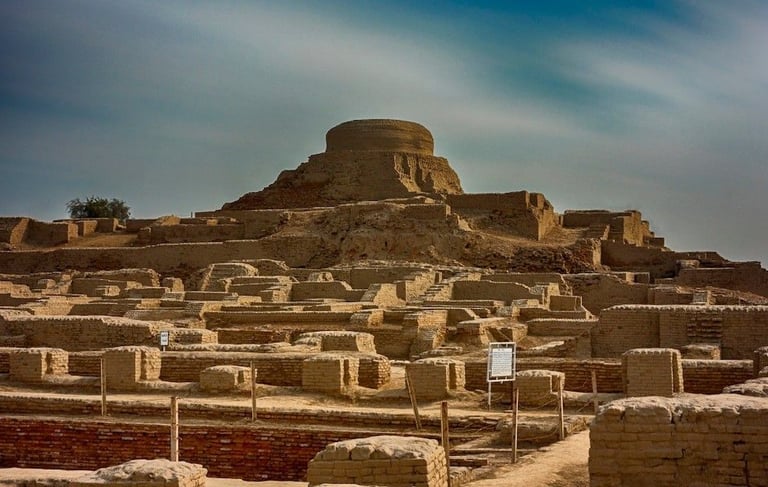
Mohenjo Daro Click to open side panel for more information is one of the most significant urban settlements of the ancient world. Dating back to around 2500 BCE, this sprawling Indus Valley Civilization site showcases a level of sophistication that continues to stun modern researchers.
The Atmosphere: Walking through the meticulously excavated brick streets feels less like visiting a ruin and more like stepping into a frozen, ancient metropolis. The layout whispers stories of a remarkably peaceful, egalitarian society.
Key Features: Don't miss the famous Great Bath, the elaborate drainage systems, and the iconic Buddhist stupa that crowns the western mound.
Travel Tip: Visit the onsite museum to see replicas of the "Dancing Girl" and the "Priest-King" before walking the ruins to fully appreciate the context of the artifacts.
The Cradle of Civilization: Archaeological Wonders
1. Mohenjo-Daro
Best Time to Visit: Unlike the north, the southern plains experience intense summer heat. Plan your trip between November and March when the daytime weather is beautifully mild and perfect for exploring ruins and deserts.
Cultural Etiquette: Southern Pakistan is rich with Sufi shrines and spiritual landmarks. When visiting active religious sites or rural villages, dress conservatively (covering shoulders and knees) and always ask for permission before photographing local residents.
Logistics: Karachi serves as the ideal starting point for a southern itinerary. From there, you can easily chart a route northward along the Indus Highway toward Hyderabad, Sukkur, and Bahawalpur.
Essential Tips for First-Timers
Makli Necropolis (Historical Qabristan) Click to open side panel for more information , located on the outskirts of Thatta, is one of the largest funerary sites in the world. Spread across several kilometers, it serves as the final resting place for kings, queens, Sufi saints, and scholars from the 14th to the 18th centuries.
The Atmosphere: The necropolis features an overwhelming sea of sand-colored stone and brick monuments. It offers a quiet, deeply reflective environment where the desert wind carries centuries of history.
Key Features: The site is renowned for its intricate geometric stone carvings, delicate relief work, and stunning blue-and-yellow glazed tilework that reflects heavy Persian and Central Asian artistic influences.
Travel Tip: Because the graveyard is vast, hiring a local guide or utilizing a golf cart at the entrance is highly recommended to visit the most significant mausoleums.
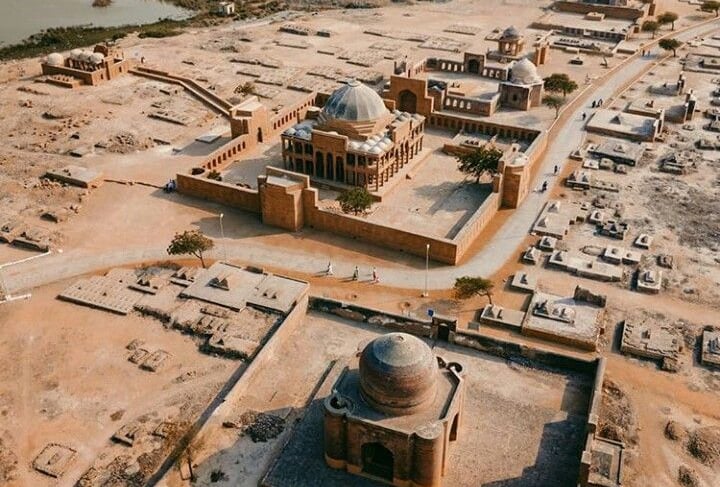
2. Monumental Heritage: Makli Necropolis
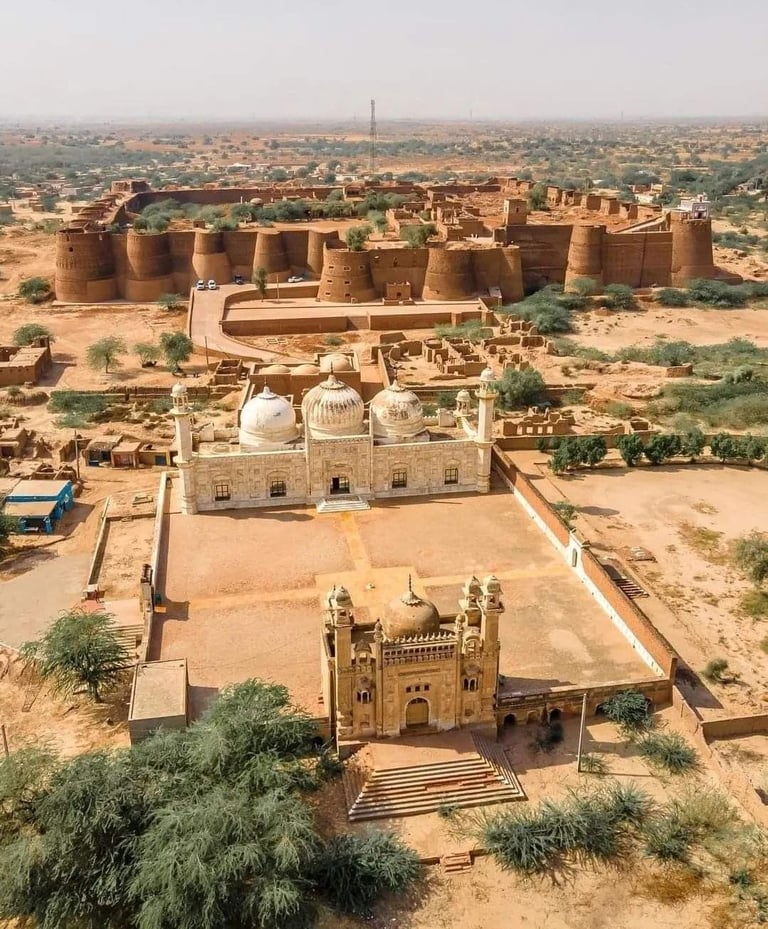
Derawar Click to open side panel for more information Fort rises majestically out of the vast, rolling sands of the Cholistan Desert. This massive square fortress features forty towering bastions that stand over 30 meters high, acting as a historic sentinel visible for miles across the flat desert landscape.
The Atmosphere: The sheer scale of the fort striking against the barren desert horizon creates an incredibly cinematic, remote experience. It evokes the grandeur of the Rajput era and the Nawabs of Bahawalpur.
Key Features: Explore the underground tunnels, the adjacent white-marble Abbasi Mosque, and the royal tombs of the Nawabs located nearby.
Travel Tip: The journey requires a 4x4 vehicle from Bahawalpur. Timing your arrival for late afternoon provides a spectacular view as the setting sun turns the mud-brick walls a deep golden hue.
3. Derawar Fort: Fortresses in the Sand
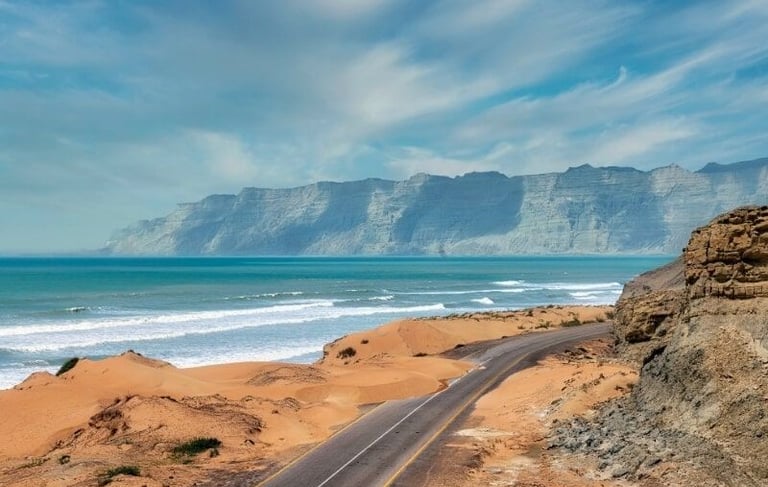
Hingol Balochistan National Park Click to open side panel for more information offers some of the most surreal natural landscapes on the subcontinent. Flanking the Makran Coastal Highway, this massive protected area features a striking blend of marine, desert, and rugged mountain ecosystems.
The Atmosphere: The park feels entirely otherworldly, characterized by dramatic lunar landscapes, deep canyon walls, and silent coastal breezes. It is a stark, beautiful paradise for road-trippers and adventure lovers.
Key Features: Home to the famous "Princess of Hope" rock formation, active mud volcanoes, and the ancient Hinglaj Mata temple tucked deep within a mountain gorge.
Travel Tip: Keep an eye out for wildlife; the park is a sanctuary for Sindh ibex, Balochistan urial, and marsh crocodiles along the Hingol River.