
South Pakistan is where mankind first learned to tame the elements, build advanced metropolises without kings, and write the earliest chapters of our collective history. From the perfectly aligned bricks of 5,000-year-old Bronze Age cities to the echoing drums of timeless desert shrines, the south doesn't just offer a vacation; it offers an encounter with the roots of civilization.
Southern Pakistan, primarily encompassing the sun-drenched province of Sindh and the rugged coast of Balochistan, is a living canvas where human civilization first learned to paint. Following the path of the mighty Indus River, a journey through the south isn't just a trip; it’s an expedition into 5,000 years of human history.
Legacy of Indus Valley
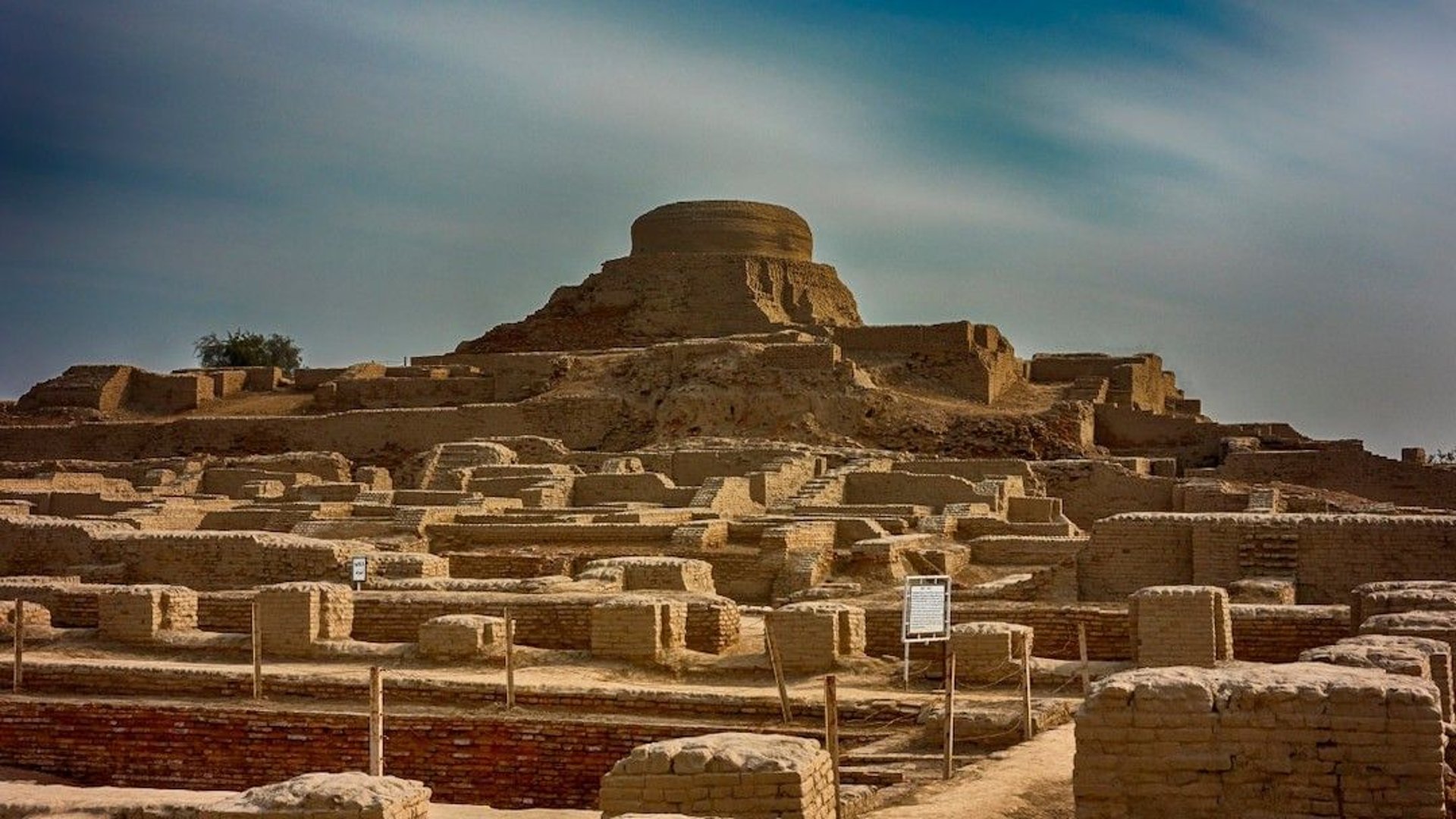
Long before Rome was a village or the Pyramids of Giza were drafts on papyrus, Mohenjo-Daro (literally meaning "Mound of the Dead Men") was a sprawling Bronze Age metropolis. Built around 2500 BCE, it stands today as one of the most significant UNESCO World Heritage sites in South Asia.
What shocks modern travelers the most isn't just the age of the city, but its sheer sophistication:
The Grid Layout: The city was designed with straight streets cutting across each other at perfect right angles.
Advanced Engineering: Long before Europe understood hygiene, the people of the Indus Valley had covered brick drains running beneath their streets and private bathrooms in almost every home.
The Great Bath: A massive, waterproofed public pool lined with tightly fitted bricks and bitumen—likely used for religious or communal bathing.
Traveler’s Note: Unlike contemporary civilizations in Egypt or Mesopotamia, archaeologists have found no grand palaces, massive temples, or evidence of a military kingship here. Mohenjo-Daro appears to have been an egalitarian society focused on trade, cleanliness, and peace.
Mohenjo-Daro: The Metropolis of the Ancient World
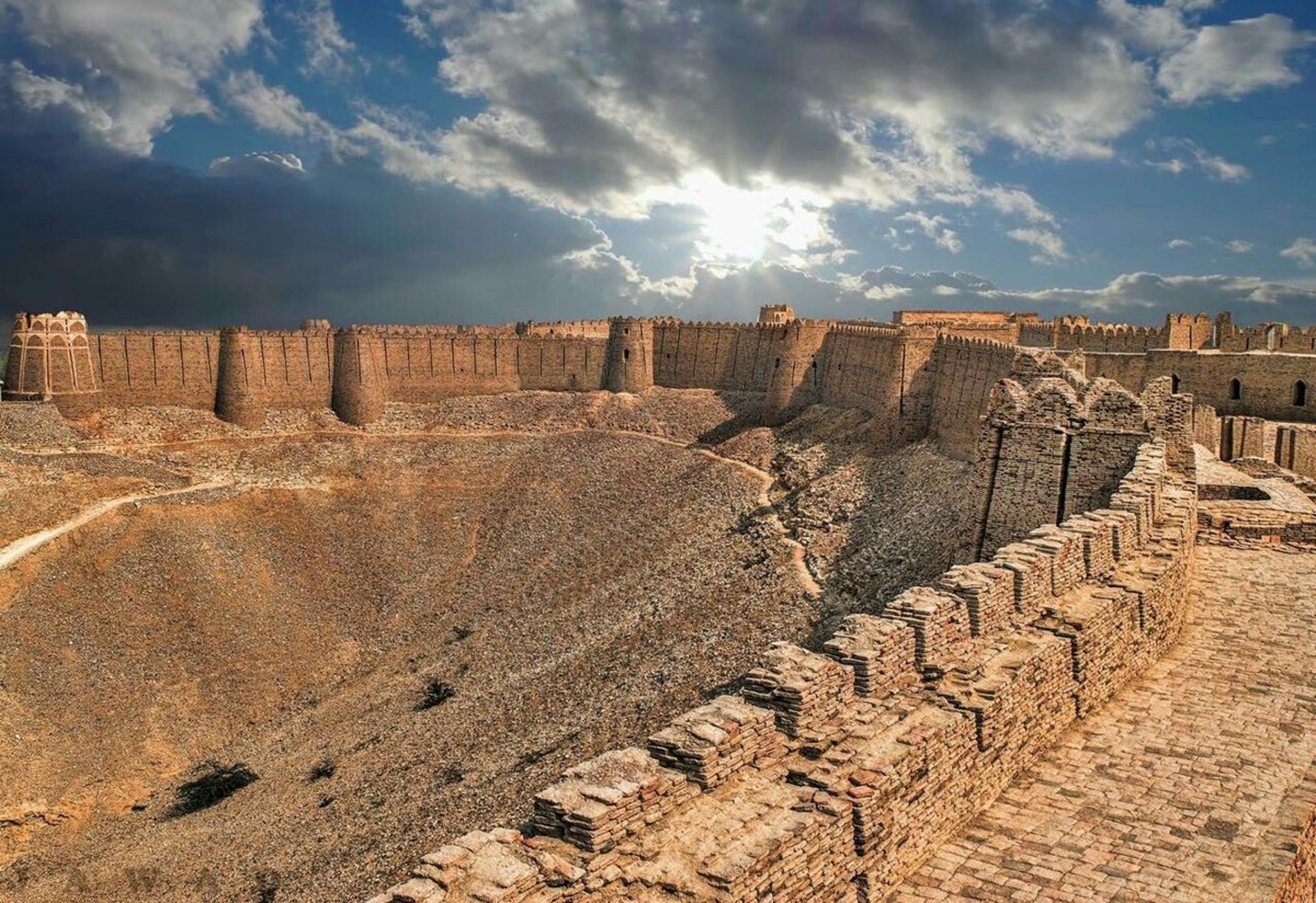
A couple of hours' drive from Mohenjo-Daro brings you to Kot Diji, a site that rewrites our understanding of the ancient world. It features a spectacular duality: at the top of the hill sits a monumental 18th-century fort built by the Talpur dynasty, but at its base lies an archaeological site dating back to 3300 BCE.
Excavations here revealed the "Kot Dijian Culture," the direct evolutionary ancestor to Mohenjo-Daro. Long before the main Indus cities peaked, the people of Kot Diji were already crafting wheel-thrown pottery decorated with geometric designs and building defensive mud-brick citadels.
Kot Diji: The Pre-Harappan Fortress
The legacy of the Indus Valley didn't vanish when its cities faded around 1700 BCE; its cultural DNA flowed directly into the spiritual and artistic traditions of southern Pakistan today. To truly experience the south, your itinerary must include its iconic cultural hubs:
The Sea of Tombs: Makli and Chaukhandi
Near the historical city of Thatta lies Makli Necropolis, one of the largest funerary sites in the world. Spanning over 10 square kilometers, it houses roughly half a million tombs. The geometric sandstone carvings here are so intricate that they look like petrified lace. Nearby, the Chaukhandi Tombs feature a unique architectural style belonging to Balochi and Rajput tribes, with layers of stone slabs carved into stunning structural patterns.
The Sufi Shrines of Sindh
The ancient Indus spirit of peace and egalitarianism lives on through Sufism in Sindh.
Sehwan Sharif: The shrine of Lal Shahbaz Qalandar is a kaleidoscope of devotion. Every evening, the air thickens with incense as hundreds participate in Dhamaal—a trance-like spiritual dance driven by thunderous dhol drums.
Bhit Shah: The resting place of the poet-saint Shah Abdul Latif Bhittai, where musicians dressed in black sing ethereal Wai verses using a traditional stringed instrument called the Danbooro.