
When travelers think of Northern Pakistan, their minds usually leap to images of jagged, snow-capped giants like K2 or the mirrored waters of alpine lakes. But the true soul of these mountains doesn't just lie in their geology, it lives in the resilient, warm, and wonderfully distinct communities that have called these high valleys home for millennia.
If you are planning a journey up north, matching the landscape with the cultural heritage of its people turns a standard sightseeing trip into a deeply immersive travel experience. Here is your ultimate guide on which cultures to encounter and exactly where to experience them.
CULTURES OF NORTH
The Cultural Vibe: Life here moves to the beat of handmade drums and traditional dance. Women wear the piran, a long black dress heavily embroidered with bright threads, topped with the iconic kopas (a cowrie-shell headdress).
Best Time to Go: Plan your trip around one of their three major seasonal festivals: Chilam Joshi (Spring in May), Uchal (Autumn in August), or Choimus (Winter in December).
Traveler Etiquette: The Kalash are incredibly hospitable, but always ask for permission before taking portraits, especially of the women and elders.
The Kalasha
Tucked away in the remote valleys of Chitral near the Afghan border lives the Kalash community. Distinct from the surrounding populations in their religion, language, and social customs, the Kalash are famous for their vibrant festivals, polytheistic traditions, and striking traditional attire.
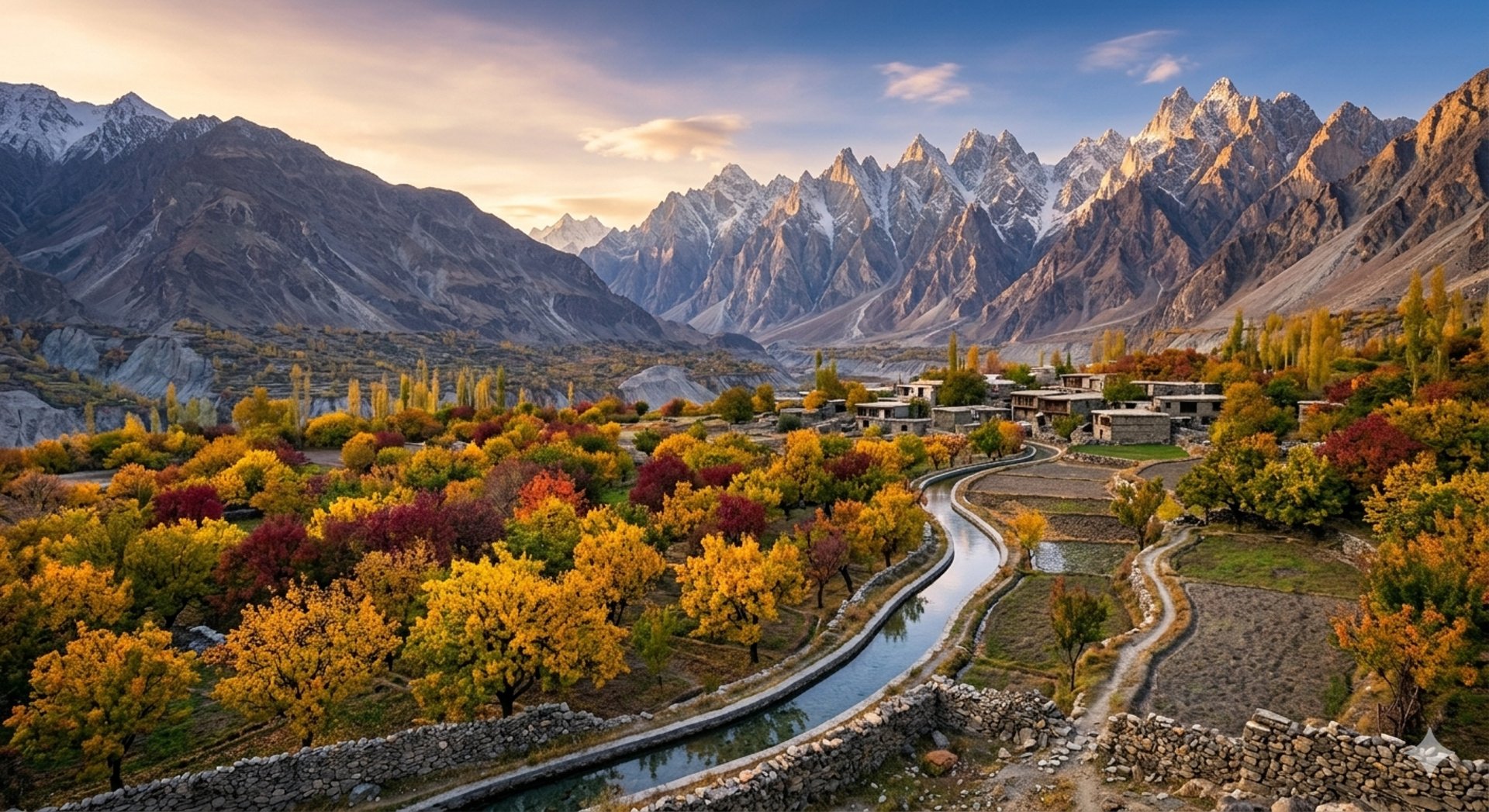
The Cultural Vibe: Progressive, deeply peaceful, and artistic. Music here relies on the soulful strings of the rubab and the sharp crack of the dadang (drum). You’ll see locals wearing the distinct round woolen cap (often adorned with a feather for festive occasions).
What to Experience: Explore the 800-year-old Altit Fort and Baltit Fort to see how ancient architectural techniques withstand earthquakes. Don't leave without sharing a cup of salty Tumuro (mountain thyme) tea and a slice of Fitti (traditional oven-baked bread) with a local family.
Hospitality in the High Karakoram
The Hunza Valley isn't just visually stunning; it boasts one of the highest literacy rates and longest life expectancies in the region. The valley is primarily home to the Burusho people and Shina Speaking People. Encountered with high mountain valleys, the culture of North will always amaze you.
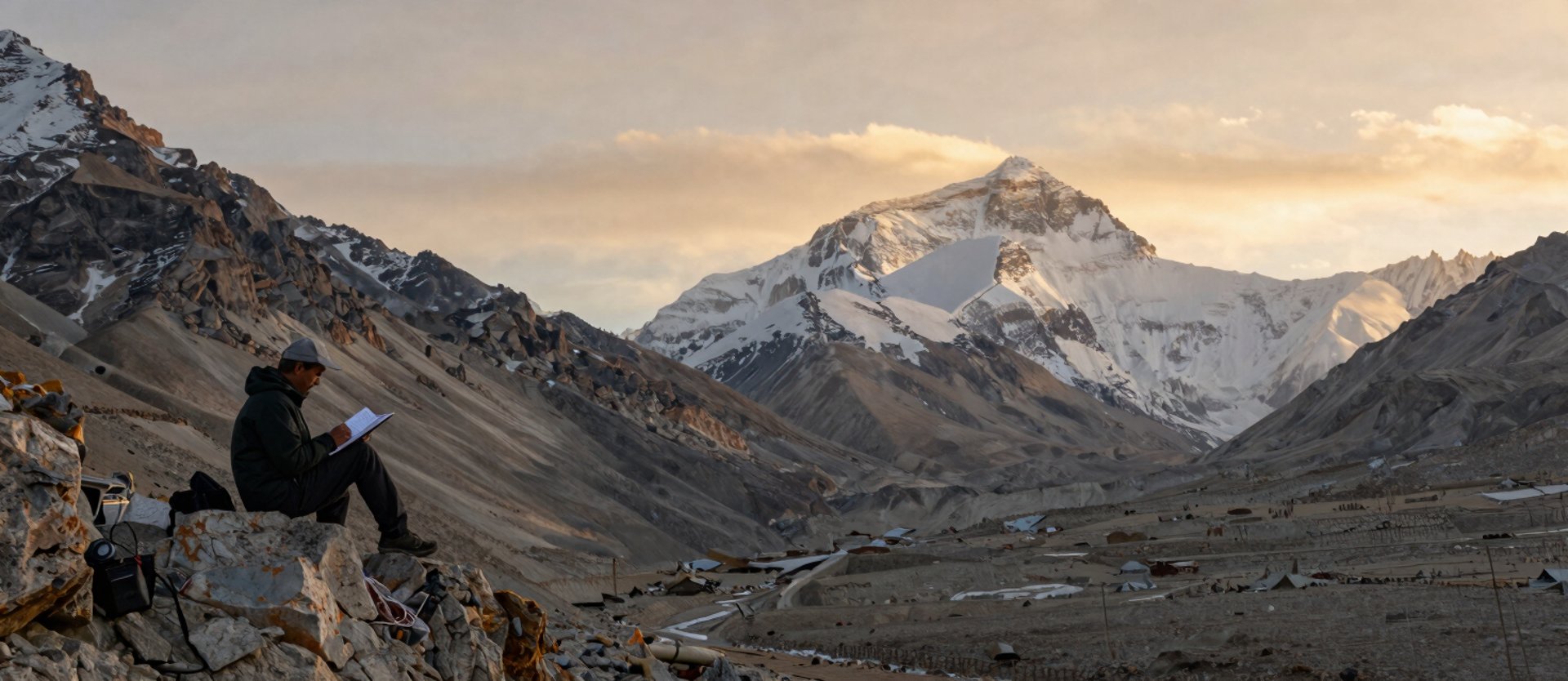
The Cultural Vibe: A serene blend of Tibetan roots and Sufi Islamic traditions. The Balti people are renowned for their gentle demeanor and incredible endurance, many of the world's finest high-altitude mountain porters and mountain guides come from these valleys.
What to Experience: Walk through the beautifully restored Khaplu Palace or Shigar Fort (both now heritage boutique guesthouses) to admire the intricate Tibetan-style woodwork. Contrast this ancient wooden architecture with a walk across the stark, otherworldly white sands of the Katpana Cold Desert.
Little Tibet in the Heart of the Mountains
As you move east toward Gilgit-Baltistan’s southern edge, the landscape flattens into high-altitude deserts, and the culture shifts beautifully. Baltistan is often called "Little Tibet" due to its profound historical, architectural, and linguistic links to Tibet.