
Baltistan:The LittleTibet
Skardu and the wider Baltistan region are something entirely different. This is a land of scale. It is a vast, high-altitude bowl where the Indus and Shyok rivers collide, flanked by the gargantuan walls of the Karakoram range. Known historically as Little Tibet, Baltistan feels utterly distinct from the rest of Pakistan.
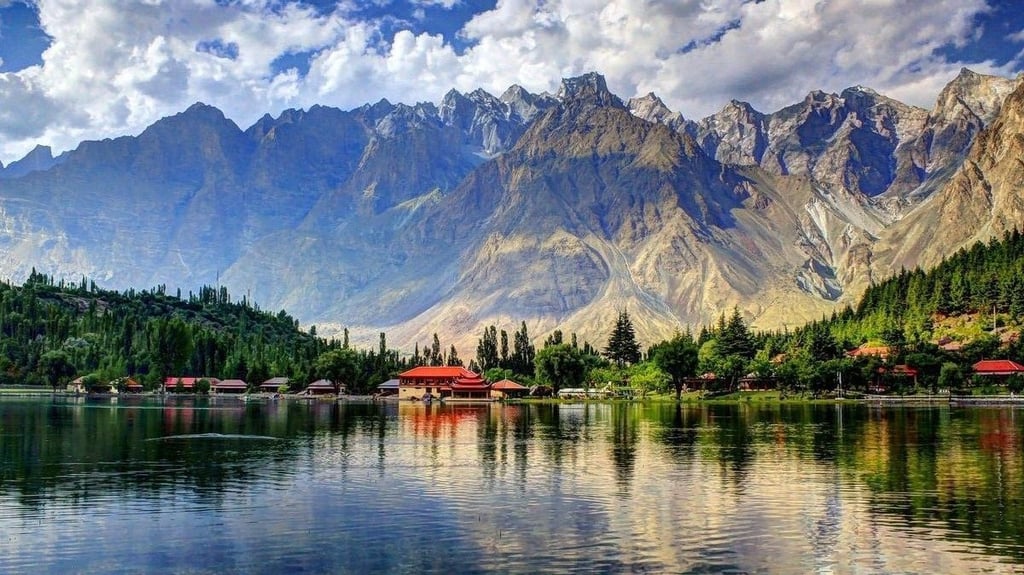
Skardu and the wider Baltistan region are something entirely different. This is a land of scale. It is a vast, high-altitude bowl where the Indus and Shyok rivers collide, flanked by the gargantuan walls of the Karakoram range. Known historically as Little Tibet, Baltistan feels utterly distinct from the rest of Pakistan. The language is Balti (a branch of the Tibetan language family), the architecture echoes ancient Himalayan design, and the landscape shifts dramatically from towering waterfalls to alpine plateaus and incredibly rolling sand dunes right at the base of snow-capped mountains.
If you are planning an expedition to this side of Gilgit-Baltistan, here is your definitive insider guide to exploring Skardu and the stunning valleys beyond.
The Essentials: What to See Around Skardu Town
Venturing Beyond: The Great Valleys of Baltistan
You don't have to venture far from the center of Skardu to feel the raw, dramatic geometry of Baltistan.
1. The Twin Kachura Lakes & Soq Valley
Located about an hour outside the main town, the Kachura area holds two very different lake experiences:
Lower Kachura (Shangrila Lake): Famous for its iconic heart shape and the bright red-roofed cottages of the Shangrila Resort. It is postcard-perfect, manicured, and framed by dense orchards.
Upper Kachura Lake: A short, active walk beyond the resort brings you to this deep, wild, and incredibly clear natural alpine lake. Rent a wooden rowboat, glide across the quiet water, and make sure to stop by a local lakeside shack to try freshly caught fried trout.
Soq Valley: Just a short 4x4 detour from here lies this lesser-known gem, a peaceful valley with emerald streams and lush green patch-islands that feels entirely untouched.
2. The Cold Deserts: Katpana & Sarfaranga
Yes, you read that right, deserts in the high mountains. Sitting at an elevation of nearly 2,500 meters, these are some of the highest cold deserts in the world.
Katpana Desert: Located close to the Skardu airport, its soft white sand dunes look completely surreal backdropped by jagged, snow-dusted peaks. Come here at sunset for incredible photography, or stay late, the stargazing here, with the Milky Way cutting right through the crisp mountain air, is unforgettable.
Sarfaranga Desert: Located across the Indus River on the way to Shigar, this vast expanse of dark sand frequently hosts high-energy jeep rallies.
3. Kharpocho Fort & Manthal Buddha Rock
To understand Skardu’s deep cultural roots, look to its stone landmarks. A steep, 45-minute hike from the bazaar leads to Kharpocho Fort (The King of Forts), a 16th-century stronghold perched on a massive rock cliff. From the top, you get a bird's-eye view of the snaking Indus River. On your way back, visit the Manthal Buddha Rock, a massive granite boulder featuring a beautifully preserved 8th-century relief carving a testament to Baltistan's pre-Islamic Buddhist history.
Skardu town is the launchpad; the real magic of Baltistan lies in taking a rugged 4x4 jeep down the branch roads into the surrounding valleys.
Shigar Valley: The Gateway to K2
Just an hour’s drive north of Skardu lies Shigar, a lush, peaceful valley famous for its heavy abundance of summer fruits—apples, cherries, grapes, and walnuts.
The Highlight: Shigar Fort (Fong-Khar). This 17th-century palace built out of timber and stone on a massive boulder was meticulously restored by the Aga Khan Cultural Service. It now operates as a stunning heritage hotel and museum. Even if you aren't staying overnight, you can tour the grounds and walk through its historic, wood-carved rooms.
Deosai National Park: The Land of Giants
To the south of Skardu lies Deosai, one of the highest alpine plateaus in the world, sitting at an average altitude of 4,114 meters (13,497 feet).
The Vibe: Completely otherworldly. Deosai is a massive, treeless expanse that rolls out for thousands of square kilometers. In the summer (July to August), it bursts into life, covered in a brilliant carpet of millions of wild alpine flowers.
What to See: Drive out to the mirror-like Sheosar Lake, which perfectly reflects the distant peak of Nanga Parbat. Keep your eyes open for the endangered Himalayan Brown Bears that call this protected wilderness home.
Khaplu Valley: Hidden Tibetan Architecture
If you have an extra day or two, drive 100 km east along the roaring Shyok River to Khaplu. It is a profoundly quiet, deeply traditional valley. Here, you will find the Chaqchan Mosque, a breathtaking structure dating back to 1504 AD that features an architectural blend of Tibetan, Kashmiri, and Persian styles, constructed completely out of wood and plaster without a single nail.