
The Ultimate Guide to Gilgit-Baltistan: Heaven on Earth
Few places on earth hold the power to completely stop you in your tracks like Gilgit-Baltistan (GB). Located in the northernmost territory of Pakistan, it is where three of the world’s mightiest mountain ranges; the Karakoram, the Hindukush, and the Himalayas collide. Whether you are looking for serene turquoise lakes, dramatic high-altitude deserts, or jagged peaks that pierce the clouds, this guide will help you map out an unforgettable journey.
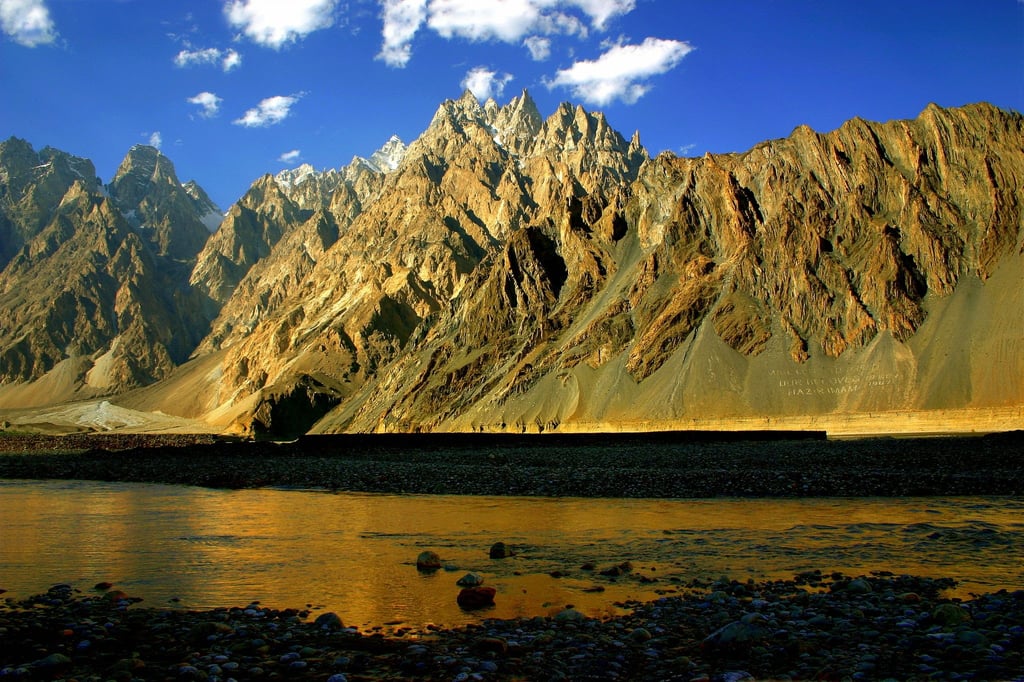
Few places on earth hold the power to completely stop you in your tracks like Gilgit-Baltistan (GB). Located in the northernmost territory of Pakistan, it is where three of the world’s mightiest mountain ranges; the Karakoram, the Hindukush, and the Himalayas collide. Whether you are looking for serene turquoise lakes, dramatic high-altitude deserts, or jagged peaks that pierce the clouds, this guide will help you map out an unforgettable journey.
Must-Visit Regions & Highlights
The territory is vast, but most travelers anchor their trips around two primary valleys: Hunza and Skardu.
1. The Hunza Valley (The Shangri-La of the North)
Hunza is famous for its vibrant culture, high literacy rates, and mind-boggling longevity.
Passu Cones: These jagged, needle-like peaks rise sharply above the Karakoram Highway. Grab a slice of famous apricot cake at Glacier Breeze Cafe while you soak in the view.
Attabad Lake: A stunning, deep-blue body of water formed entirely by a massive landslide in 2010. You can go boating, jet-skiing, or just sit by the shore.
Altit & Baltit Forts: Centuries-old architectural wonders that offer a deep dive into the history of the Mirs (rulers) of Hunza.
2. Skardu Valley (The Gateway to the Giants)
Skardu serves as the launching pad for mountaineers taking on K2, but it has plenty to offer casual explorers too.
Deosai National Park: Sitting at an average elevation of 13,497 feet, it is the second-highest alpine plateau on Earth. Come in summer to see it carpeted in wild alpine flowers.
Sarfaranga Desert: A surreal, high-altitude cold desert where white sand dunes sit framed by snow-capped mountains.
Shangrila & Upper Kachura Lakes: Pristine lakes surrounded by dense orchards and traditional Balti architecture.
When to Go & Planning Essentials
The mountains dictate the rules up here. Picking your window changes your entire experience.
Spring: April – May: Cherry and apricot blossoms coat the valleys in pink and white. Crisp air.
Summer: June – August: Prime trekking season. High passes like Deosai are fully open. Can get busy.
Autumn: September – October: Golden and fiery orange foliage. Fewer crowds and exceptionally clear skies.
Winter: November – March: Freezing temperatures, heavy snow, but perfect for frozen-waterfall sights.
Pro Tip on Cash & Connectivity:
Always carry plenty of hard cash. ATM networks are notoriously unreliable once you leave main hubs like Gilgit or Skardu city. For data, pick up a SCOM SIM card when you arrive; standard networks (like Telenor or Jazz) have very weak or non-existent coverage in the deep valleys.
What to Eat
Mountain food is hearty, comforting, and designed to keep you warm. Don't leave without trying:
Chapshuro: Often called the "Hunza Pizza," this is a flatbread stuffed with seasoned minced meat, onions, and herbs, baked to a perfect crisp.
Tumuro Tea: A local herbal tea made from wild thyme harvested from the mountainsides—excellent for altitude sickness.
Fresh & Dried Fruits: The apricots, cherries, and walnuts here are entirely organic and intensely flavorful.
Getting There: A Quick Logistics Check
You have two main paths to reach Gilgit-Baltistan from Pakistan's capital, Islamabad:
By Air (The Fast Track): You can catch a direct 1-hour flight to either Gilgit or Skardu. The catch: These flights are entirely weather-dependent. If the clouds roll into the mountain passes, flights get canceled instantly. Always keep a buffer day in your plans.
By Road (The Adventure Route): Driving up the legendary Karakoram Highway (KKH) takes roughly 12 to 14 hours. It’s long, but winding through the deep gorges of the Indus River is a travel milestone in itself.