
Into the Karakoram & Himalayas: The Ultimate Guide to Pakistan's Long-Distance Treks
There is trekking, and then there is trekking in northern Pakistan. If your idea of an adventure involves stepping off manicured trails, leaving cellular service behind for weeks, and walking amidst the highest concentration of 8,000-meter peaks on Earth, this region is the holy grail.
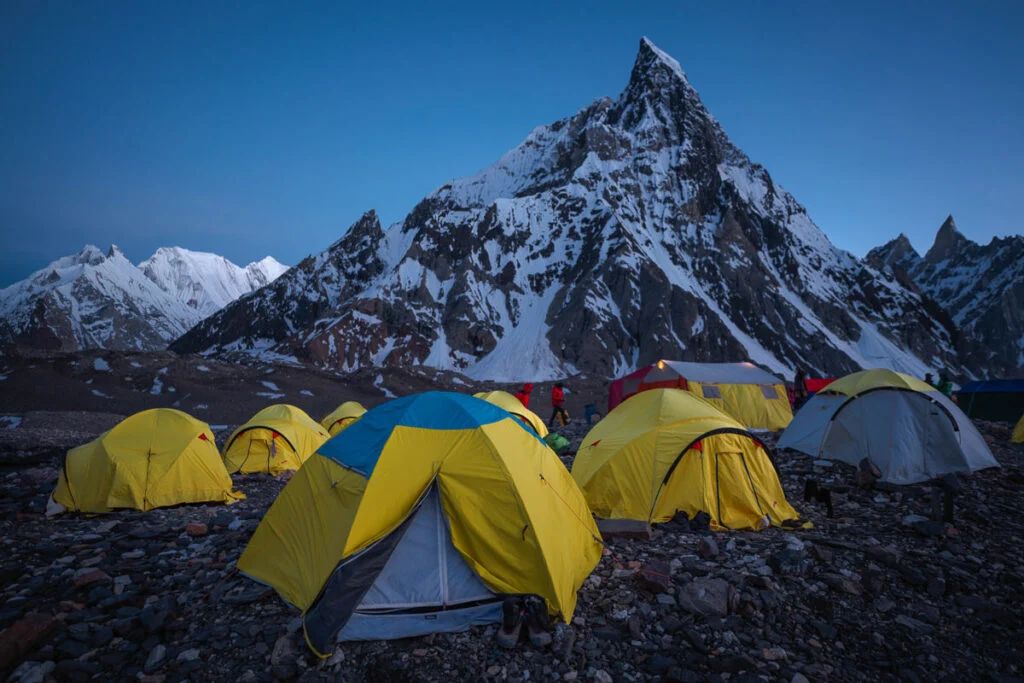
There is trekking, and then there is trekking in northern Pakistan. If your idea of an adventure involves stepping off manicured trails, leaving cellular service behind for weeks, and walking amidst the highest concentration of 8,000-meter peaks on Earth, this region is the holy grail.
Unlike the teahouse-style trekking found in neighboring Nepal, long-distance treks in Pakistan are true wilderness expeditions. You will live in tents, walk over shifting glacial moraines, and rely on an experienced team of local porters, cooks, and guides.
Let's break down the four most legendary, grueling, and awe-inspiring long-distance routes northern Pakistan has to offer.
1. K2 & Gondogoro La Trek
2. Snow Lake & the Biafo-Hispar Ice Highway
Region: Baltistan (Karakoram Range) Maximum Altitude: 5,585 meters Best Time to Go: July to August
This is the undisputed crown jewel of mountain expeditions. Starting from the remote village of Askole, you spend days marching up the colossal Baltoro Glacier. The reward is standing at Concordia, the spectacular confluence of glaciers where you are surrounded by a 360-degree theater of giants: K2, Broad Peak, and the Gasherbrum massif.
While many trekkers turn around after visiting K2 Base Camp, the ultimate version of this trek pushes over the technical Gondogoro La Pass.
The Technical Edge: Crossing Gondogoro La requires using fixed ropes, crampons, and an ice axe. You will typically wake up at midnight to climb the steep snow slope before the sun warms the route, minimizing the risk of rockfall and avalanches.
Region: Diamer / Astore (Himalaya Range) Maximum Altitude: 5,399 meters at Mazeno La Best Time to Go: July to September
Most travelers only see Nanga Parbat (the "Killer Mountain") from the lush meadows of Fairy Meadows. However, the Around Nanga Parbat circuit lets you view all three massive faces—Raikot, Diamer, and the staggering 4,600-meter vertical wall of the Rupal Face.
The crux of this Himalayan trek is crossing the Mazeno Pass. The descent down the western side is steep, loose talus and often requires rope work. This trek seamlessly blends green alpine forests, high-altitude pastures where local herders make fresh cheese, and raw, unforgiving scree fields.
4. The Shimshal Pamir & Chafchingol Pass Trek
Region: Gilgit-Baltistan (Karakoram Range) Maximum Altitude: 5,150 meters at Hispar La Best Time to Go: Mid-July to August
If you want to experience the closest thing to a polar ice cap outside the Arctic circles, this is it. This trek connects two massive glaciers: The Biafo and the Hispar; creating a continuous 115-kilometer highway of ice.
At the intersection lies Snow Lake, a high-altitude glacial basin over 16 kilometers wide, completely blanketed in a pristine white sheet of snow.
This trek is notoriously strenuous. You will spend over a week sleeping directly on the glacier. Crevasse navigation is a daily necessity, and teams walk roped together through the upper sections. It is a deeply isolating, starkly beautiful journey meant only for seasoned trekkers with strong mental resilience.
3. Around Nanga Parbat (The Mazeno Pass Circuit)
Region: Hunza Valley (Karakoram Range) Duration: 14–16 days Maximum Altitude: 4,735 meters at Shimshal Pass / 5,150 meters at Chafchingol Best Time to Go: June to September
Shimshal is a village of mountaineers. For centuries, the locals have driven their livestock up through tight, vertical gorges to the high-altitude plateau known as the Shimshal Pamir.
This route is culturally fascinating and visually unique. Once you break through the narrow, cliff-hugging gorges from the village, the landscape opens into vast, rolling grasslands dotted with pristine alpine lakes.
For an extended challenge, hardcore trekkers combine this with the crossing of the Chafchingol Pass, which drops you back down onto the Karakoram Highway near the Khunjerab Pass (the China-Pakistan border).
Quick Comparison
Trek Route Primary Peak View Technical Gear Remote Factor
1. K2 Gondogoro La K2, Broad Peak, Yes (Crampons, High
Gesherbrum Harness, Ropes)
2. Snow Lake The Ogre (Baintha Brakk, Yes (Rope for Extreme
Latok) Crevasse Safety)
3. Around Nanga Parbat Nanga Parbat (3 Distinct Faces) Yes (ropes for pass Descent) High
4. Shimshal Pamir Minglik Sar, Distaghil Sar Optional (unless Climbing Peaks) Moderate - High
Preparing for the Trails
Before booking a flight to Islamabad, keep these core realities in mind:
Acclimatization is Non-Negotiable: These routes spend significant time above 4,000 meters. A slow, steady ascent profile with built-in rest days is essential to prevent Acute Mountain Sickness (AMS).
Logistics & Permits: Because many of these treks sit near international borders or inside National Parks, they require restricted-zone permits, licensed guides, and official registration with the Ministry of Tourism.
Physical Conditioning: Your legs and core must be conditioned for 6 to 8 hours of daily walking on loose rocks, unstable ice, and steep inclines while carrying a daypack.
Trekking here isn't just a holiday—it's a humbling lifestyle for the weeks you are out there. But when you look up at the morning sun hitting the sheer face of K2 or watch the stars wheel over a silent Himalayan glacier, every single grueling step becomes worth it.